A Data-Driven Advocacy Tool for Medical Oxygen Funding
How dynamic analytics highlighted the oxygen funding gap during COVID-19 and contributed to hundreds of millions raised for global health.
During the COVID-19 pandemic, medical oxygen became essential for saving the lives of patients with severe illness. Yet in many countries across Africa and Southeast Asia, access to oxygen was limited, exposing a major gap between urgent clinical need and available funding.
The challenge

WHO
COVID-19 oxygen emergency impacting more than half a million people in low- and middle-income countries every day, as demand surges
Read article →The goal was to make that gap visible in a way that decision-makers could act on quickly. Static reports were not enough. Donors, policymakers, and advocacy partners needed a clear, credible, and up-to-date view of how much oxygen was needed, where the shortages were most severe, and what level of funding would be required to respond.
Our approach
We developed a calculation method and supported the implementation of a dynamic advocacy tool that converted daily COVID-19 case data into a clear estimate of oxygen need and funding requirements. The model pulled newly reported cases by country and applied WHO assumptions on disease severity, oxygen demand per patient, and treatment duration to calculate expected oxygen needs across different scenarios.
It then combined these estimates with partner data on the typical mix of oxygen production, delivery, and storage solutions, as well as the costs of owning and operating that equipment across the value chain.

The New York Times
Why Some Hospitals Lack the Oxygen to Keep Patients Alive
Read article →The result was an interactive, evidence-based resource that helped advocates and decision-makers communicate the urgency of investing in reliable oxygen delivery systems in low- and middle-income countries. The dynamic, up-to-date nature of the tool, in particular, allowed observers to see how rapidly needs changed in a pandemic and why a global response was required.
Impact
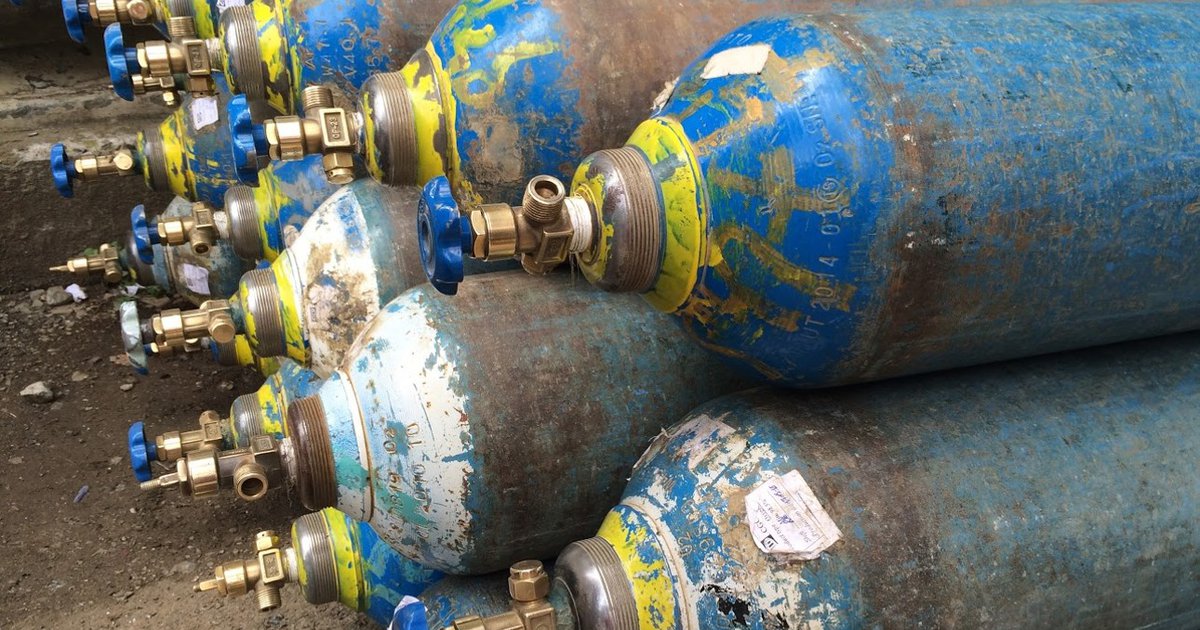
PATH
COVID-19 Oxygen Needs Tracker
Open tracker →The tool contributed to hundreds of millions of dollars raised for medical oxygen during the pandemic. It was also cited by major institutions and publications.
When advocacy needs to move fast, dynamic analytics can turn complex supply-and-demand gaps into clear funding cases. In global health emergencies, that kind of evidence can help move oxygen from being an overlooked constraint to an urgent investment priority.